The 2026 Fan's Guide to World Cup Football
World Cup football is FIFA’s senior men’s international tournament, and Goal Moments covers it for 2026 fans who want match predictions, team tactics, player stats, and tournament context in one place. The competition began in 1930 in Uruguay, runs every four years, and expands to 48 teams for the 2026 FIFA World Cup hosted by the United States, Canada, and Mexico. FIFA lists Brazil as the record five-time champion, while the 2022 final in Qatar ended with Argentina beating France after a 3-3 draw and penalties. For bettors, analysts, and serious supporters, the key is not just knowing famous teams but comparing format pressure, tactical matchups, and data signals before every fixture. Use this guide as a practical framework: understand the structure first, then evaluate teams through form, roles, injuries, and market movement before making any World Cup football judgment.
Want a sharper way to follow the 2026 tournament from the opening match onward?
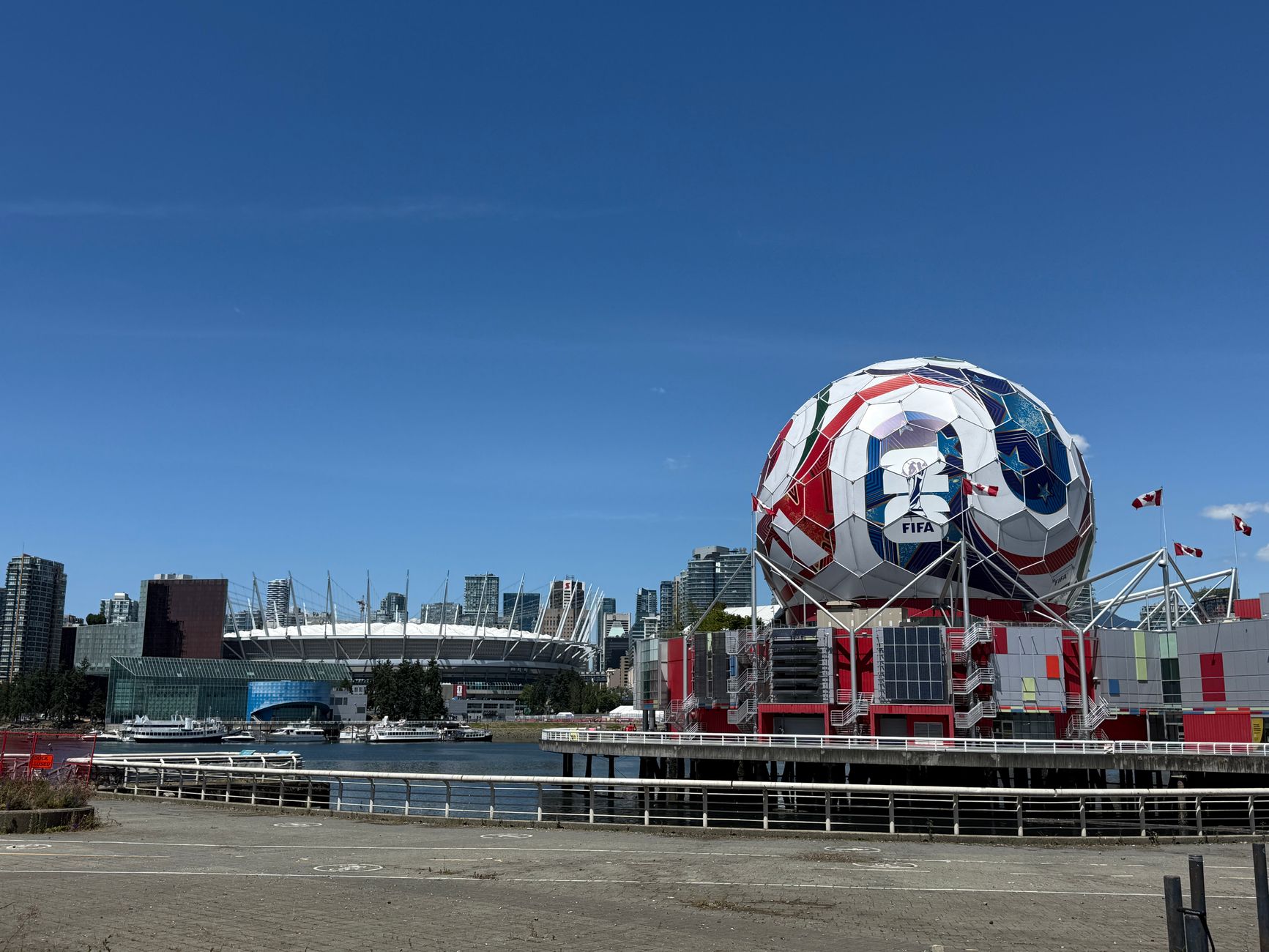
Photo by The Six on Pexels
The Quick Comparison
World Cup football is best understood by comparing three layers: the tournament format, the tactical contest, and the decision-making edge for fans or bettors. The FIFA World Cup is not a normal league season because teams have fewer matches, shorter preparation windows, and enormous knockout pressure. According to Wikipedia’s FIFA World Cup overview, the tournament has been staged since 1930, except during World War II, making its history part of why every result attracts global attention. Goal Moments uses that history as context, but the more useful question for 2026 is practical: which information actually improves your read on a match?
| Factor | What It Means | Why It Matters in 2026 |
|---|---|---|
| Format | 48 teams, group stage, knockout rounds | More teams create more mismatch and upset spots |
| Hosts | United States, Canada, Mexico | Travel, climate, and crowd energy vary by venue |
| Tactics | Pressing, transitions, set pieces | Short tournaments reward efficient systems |
| Data | xG, injuries, minutes, odds movement | Helps separate hype from repeatable performance |
| Betting angle | Prices, timing, market discipline | Good picks need value, not just likely winners |
For deeper preparation, connect this overview with our [Internal Link: 2026 World Cup team tactics guide].
Round 1: How Does the Tournament Format Work?
The 2026 FIFA World Cup uses an expanded 48-team structure, making qualification broader and match analysis more complex. More participants mean more styles, larger talent gaps, and new group-stage dynamics compared with the 32-team format used from 1998 through 2022.
The format matters because World Cup football creates pressure differently from domestic competitions such as the Premier League, La Liga, Serie A, or Major League Soccer. In a club league, a strong team can recover from one bad weekend across 38 matches; in the FIFA World Cup, one red card, injury, or missed penalty can reshape an entire campaign. The 2026 edition across North America adds another layer: Mexico City, Toronto, Vancouver, Los Angeles, and New York/New Jersey each bring different travel loads and environmental conditions. That matters for betting and tactical forecasting because a high-pressing team may look different after cross-continent travel than it does in a compact tournament hub.
A useful tutorial approach is to split the tournament into three reading stages. First, before the group stage, compare squad depth, manager style, and qualification path. Second, during the group stage, watch rotation decisions, yellow-card risk, and goal difference incentives. Third, in knockout rounds, prioritize game-state management: teams that defend well at 1-0, protect central zones, and convert set pieces often outperform more entertaining but less controlled sides. A practitioner-level insight for 2026 is that expanded participation may inflate public confidence in favorites during early mismatches, yet betting value can disappear quickly if odds shorten after one dominant win.
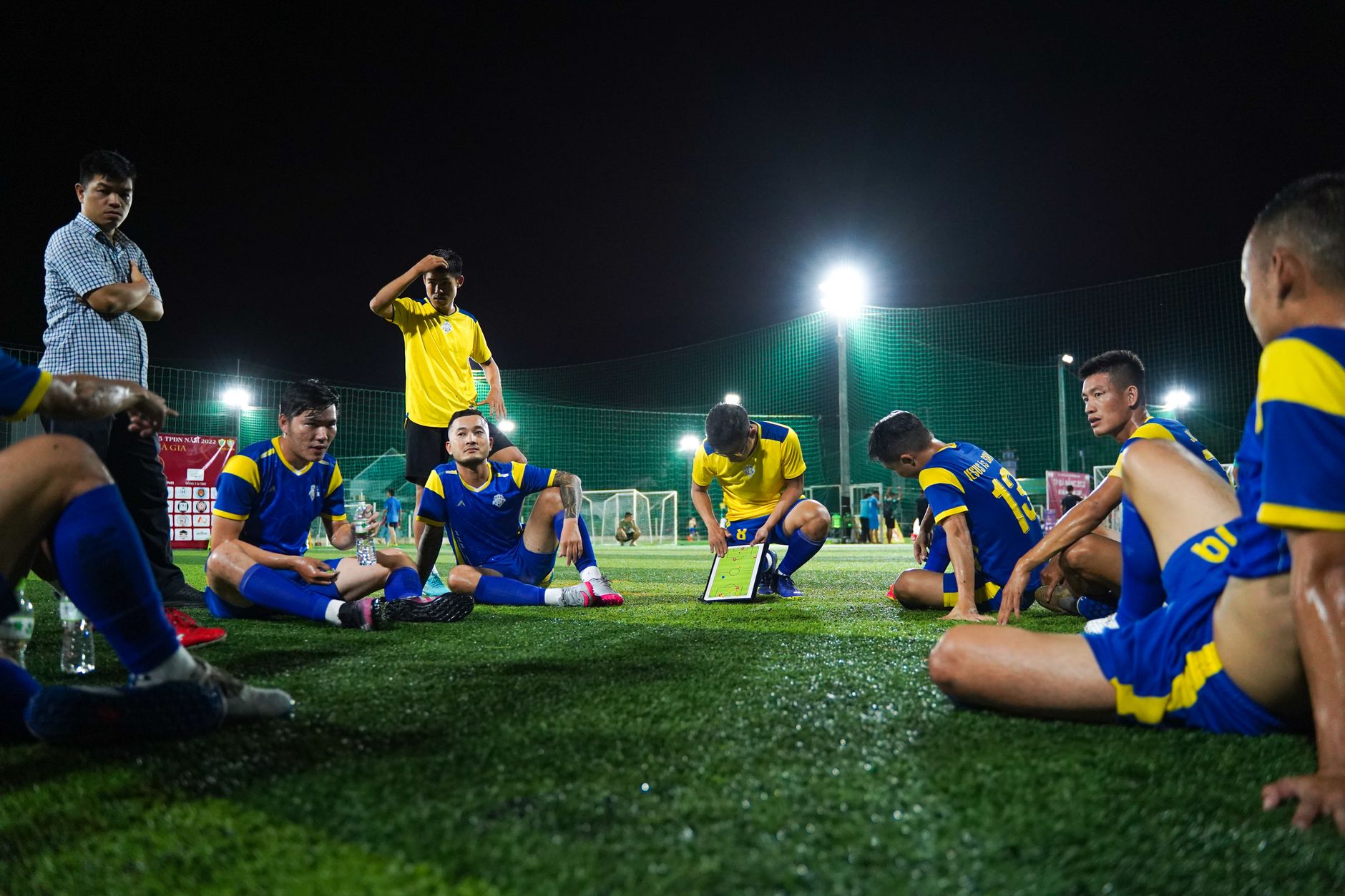
Photo by Quyn Phạm on Pexels
See how Goal Moments turns format details into daily match context.
Round 2: Which Tactical Signals Matter Most?
The strongest World Cup football signals are repeatable tactical patterns: chance quality, defensive spacing, set-piece strength, pressing resistance, and substitution depth. Names still matter, but in 2026 the smarter read is how a team creates and prevents high-value moments under tournament pressure.
Start with chance quality rather than raw shots. A team that takes 18 low-percentage efforts from distance may look active, but a side producing four central chances inside the box is usually more dangerous. Expected goals, often called xG, is not perfect, yet it helps fans avoid overreacting to scorelines. For example, a 1-0 win with 0.4 xG can be less convincing than a 2-2 draw with 2.1 xG and repeated clear chances. Goal Moments treats xG as one input, not a magic answer, because World Cup football also turns on goalkeeping, set pieces, and individual finishing from players such as Lionel Messi, Kylian Mbappe, or Vinicius Junior.
Next, study how teams behave without the ball. Argentina in 2022 blended possession control with pragmatic defending, while France leaned heavily on explosive transitions and elite attacking talent. Brazil’s historical World Cup identity is associated with flair, but modern Brazil squads also need pressing balance and full-back discipline. A contrarian but useful conclusion is this: the “best footballing team” is not always the best tournament bet. The better pick is often the team with fewer ways to lose, especially in knockout matches where penalties, fatigue, and referee interpretation compress the margin. To build your own checklist, use our [Internal Link: football betting analysis checklist].
Tactical checklist for every match
- Compare each team’s average shot quality, not just total attempts.
- Check whether both full-backs attack at once or one stays deeper.
- Identify the main set-piece takers and aerial targets.
- Track injury minutes, not only injury status.
- Review whether substitutes change the system or simply refresh it.
Round 3: Why Do Stats and Betting Markets Disagree?
Stats and betting markets disagree because they answer different questions. Statistics describe what has happened and how it happened, while betting markets price probability, public demand, injury news, liquidity, and bookmaker margin before kickoff.
This difference is where many World Cup football fans make mistakes. A data model may rate a team highly because it dominates possession and xG, but the market may move against it after a key defender misses training or a sharp betting group attacks the underdog price. Conversely, a famous national team may attract public money even when its underlying numbers are ordinary. The International Centre for Sports Studies Football Observatory regularly emphasizes player valuation, minutes, and performance indicators, which are useful for context, but betting decisions still require price discipline. As FIFA’s official tournament materials state, the World Cup is “the greatest show on Earth,” yet that global attention also means narratives can distort odds.
For 2026, one edge case to monitor is venue sequencing. A team playing in high heat, then traveling thousands of kilometers, then facing a pressing opponent may underperform its headline rating. Another under-discussed angle is stoppage-time inflation: since Qatar 2022, longer added time has increased late-goal exposure, which affects totals, live betting, and draw protection. If you bet or forecast seriously, do not only ask “Who is better?” Ask “Is the current price still fair after travel, lineup confirmation, and match tempo are considered?” Goal Moments focuses on that gap between football truth and market price.

Photo by Lukas Blazek on Pexels
Explore the data side before the next line movement arrives.
The Final Score & Who Should Pick What
The best way to follow World Cup football is to match your goal with the right information layer. Casual fans should start with fixtures, star players, and group narratives; tactical fans should focus on formations, pressing triggers, and substitutions; bettors should prioritize odds value, team news, and disciplined staking. Goal Moments is built for the middle ground where entertainment meets analysis, giving 2026 World Cup followers a structured way to understand match predictions without pretending any single model can guarantee results.
Use this simple selection guide before each matchday. If you want to enjoy the tournament, follow storylines from FIFA, national team squads, and local host-city coverage. If you want to predict outcomes, build a repeatable routine around injury reports, xG trends, lineup leaks, and market movement. If you want to bet, set a budget before the tournament and avoid chasing losses after dramatic results. For further reading, check our [Internal Link: responsible football betting guide] and [Internal Link: World Cup player stats hub]. The final recommendation is clear: treat World Cup football as a short, high-pressure tournament where preparation beats emotion, and let each match update your view rather than confirm your bias.
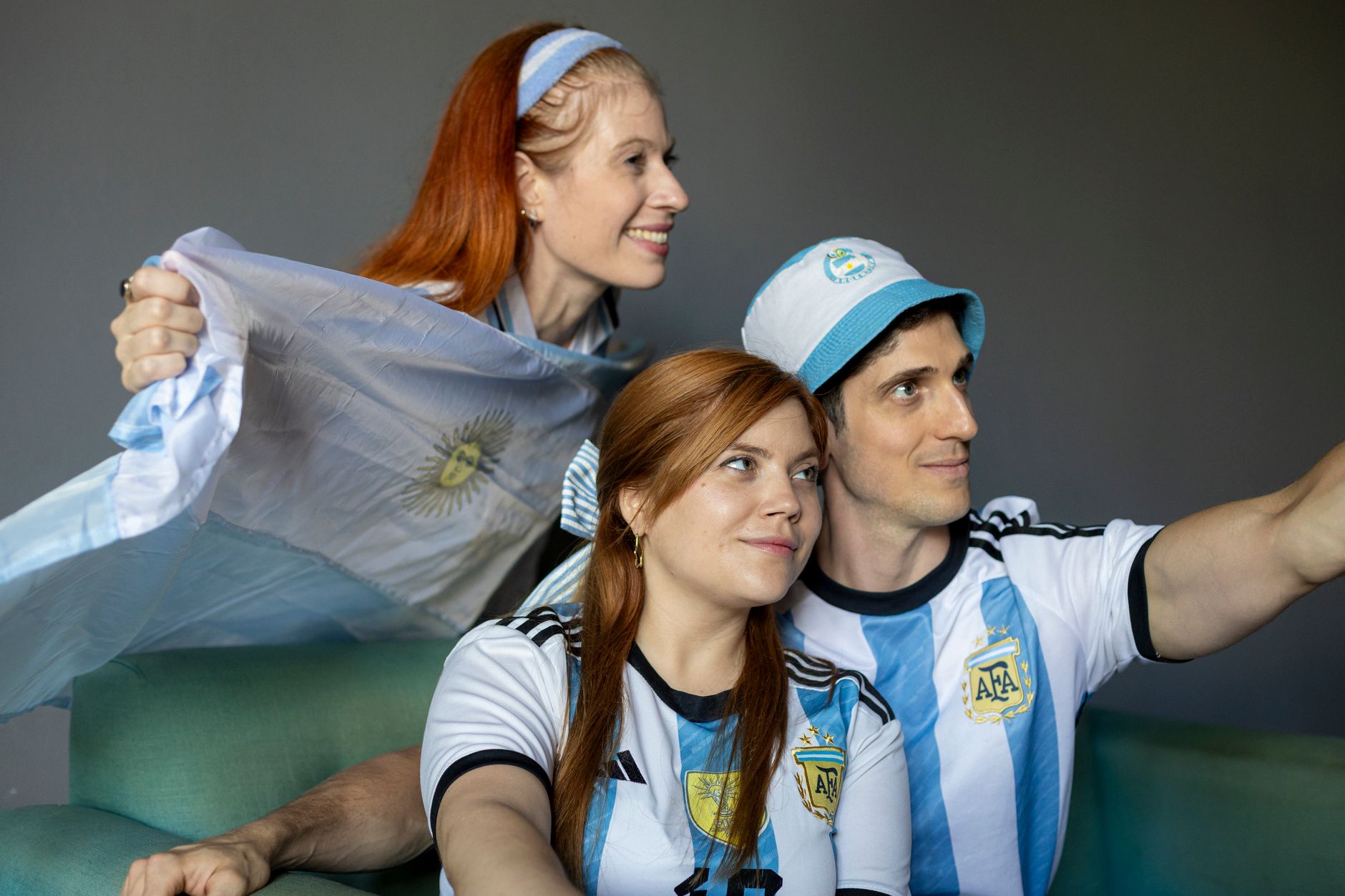
Photo by Diego Fioravanti on Pexels
Ready to follow the 2026 FIFA World Cup with sharper context and daily insight?
Frequently Asked Questions
Q: What is World Cup football?
A: World Cup football refers to the FIFA World Cup, the leading men’s international football tournament. It began in 1930 in Uruguay and is organized by FIFA every four years. The 2026 FIFA World Cup will feature 48 teams and be hosted by the United States, Canada, and Mexico.
Q: How do I analyze a World Cup football match?
A: Start by comparing team form, injuries, tactics, and venue conditions before looking at odds. Then review xG, set-piece strength, travel demands, and likely lineups. A good process separates emotional favorites from teams with repeatable advantages.
Q: What is the difference between World Cup football and club football?
A: World Cup football is shorter, more intense, and based on national teams rather than clubs. Club teams train together for months, while national squads have limited preparation time. That makes chemistry, manager clarity, and tournament experience especially important.
Q: Is World Cup football betting worth it?
A: World Cup football betting can be worthwhile only if you focus on value and manage risk. High-profile matches attract emotional public betting, which can create poor prices on famous teams. Set a fixed budget, compare markets, and avoid chasing after one bad result.
Q: Why do World Cup predictions fail?
A: World Cup predictions often fail because short tournaments create high variance. Red cards, penalties, injuries, weather, and extra time can overturn strong pre-match analysis. The best approach is to update predictions after lineups, tactical changes, and market movement.
Q: How much does it cost to follow World Cup football analysis?
A: Basic World Cup football analysis can be free through FIFA updates, public statistics, and editorial coverage. Premium tools may charge for advanced data, betting models, or live odds feeds. Goal Moments provides accessible tournament coverage for fans tracking the 2026 World Cup.