Before You Visit, Read This 2026 World Cup Breakdown
Goal Moments helps 2026 World Cup fans evaluate Kansas City match travel, fan activity, and tournament context with daily coverage for predictions, team tactics, player stats, and responsible betting research. Kansas City, a FIFA World Cup 2026 Host City in the United States, will connect Kansas City International Airport, Kansas City Stadium match days, regional destinations, and the FIFA Fan Festival through planned motorcoach services under the ConnectKC26 concept. The tournament will be staged across Canada, Mexico, and the United States from June 11 to July 19, 2026, with 48 teams and 104 matches, according to FIFA. For fans, the practical edge is not guessing the winner first; it is sequencing travel, festival time, squad news, and betting information before prices and routes tighten. Start by mapping transport, then verify schedules, tickets, and local event access.
Planning your 2026 World Cup trip around Kansas City should begin with one operational question: what must be confirmed before emotions take over? The answer is practical rather than dramatic. Match tickets, airport movement, stadium access, the FIFA Fan Festival, and neighborhood time all interact, and one weak assumption can affect the rest of the day. Goal Moments approaches the tournament like a decision tree: isolate fixed items first, compare flexible choices second, and avoid making predictions or wagers without squad, venue, and timing context.
Want a cleaner way to follow 2026 World Cup analysis as plans develop?
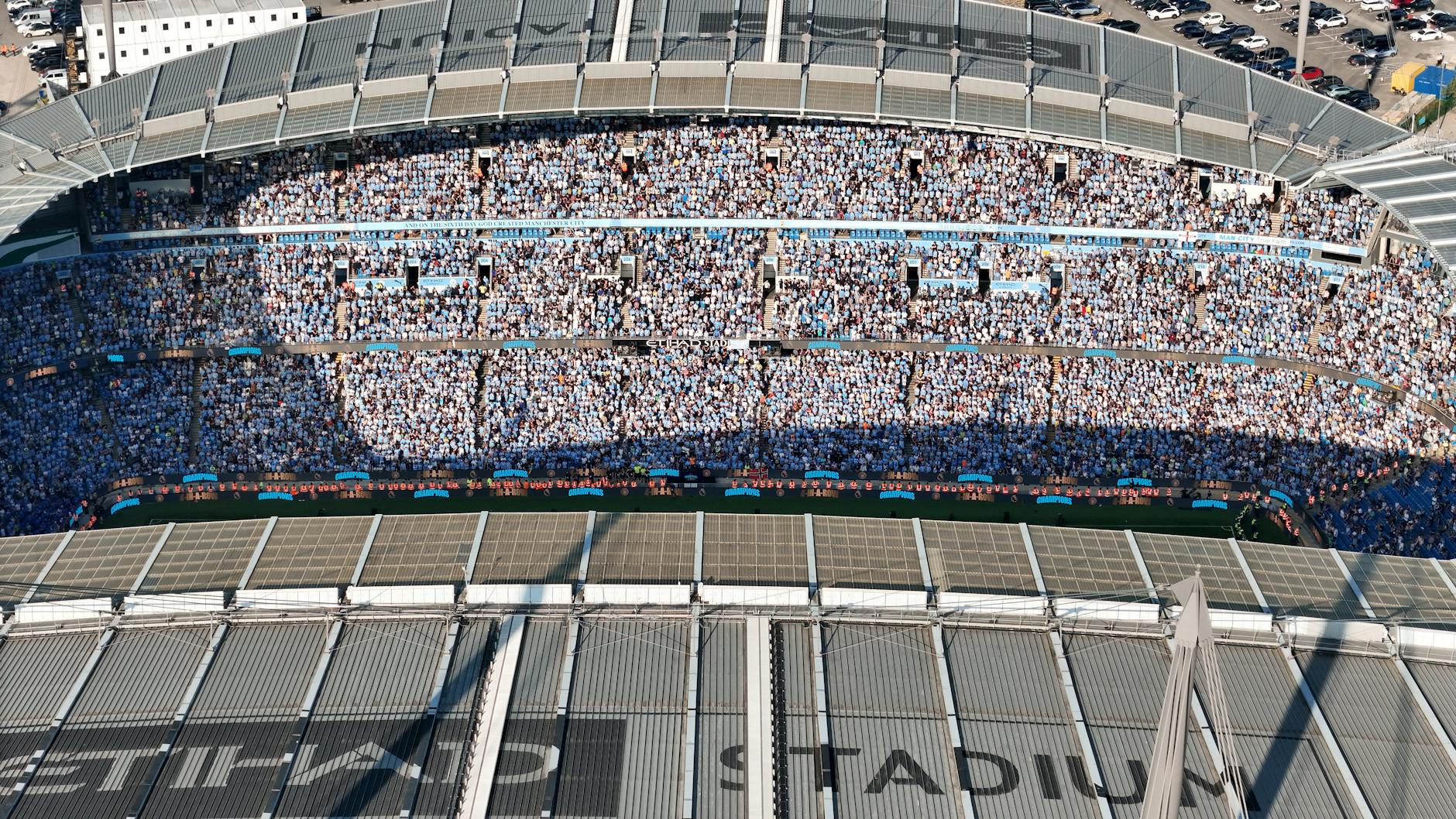
Photo by Mylo Kaye on Pexels
Step 1: What should you map first?
Map fixed logistics first: match date, stadium access, airport arrival, and FIFA Fan Festival location. For Kansas City, the most important early variables are Kansas City International Airport, Kansas City Stadium match-day movement, and ConnectKC26-style bus connections because these affect every later choice.
A useful first pass should separate the day into four blocks: arrival, pre-match activity, stadium entry, and post-match exit. Kansas City’s official host-city material emphasizes motorcoach services for airport links, match-day stadium transfers, regional destinations, and FIFA Fan Festival access. That matters because many visitors will not know local driving patterns across Missouri and Kansas, and the metro area is spread across two states. A common planning error is treating the stadium as the only destination; in practice, the Fan Festival, hotel district, and airport may create more travel decisions than the 90 minutes of football itself. For more trip-preparation context, see our [Internal Link: 2026 World Cup travel planning checklist].
Use this sequence before booking non-refundable extras:
- Confirm the match date and kickoff window through FIFA or the official host-city page.
- Identify your airport arrival time and whether same-day match attendance is realistic.
- Check whether shuttle or motorcoach passes must be reserved in advance.
- Leave a buffer for security screening, street closures, and festival crowds.
- Decide whether post-match food or entertainment is worth the added exit delay.
Step 2: How do you connect transport with match-day value?
Transport affects match-day value by determining how much time, energy, and optionality you keep. A cheaper hotel or later flight may become inefficient if it adds two transfers, removes Fan Festival time, or forces rushed stadium entry.
The trade-off is measurable. A fan who saves USD 40 on lodging but spends 90 additional minutes moving across the metro may lose the ability to watch a second match at the FIFA Fan Festival or monitor late lineup news before betting markets adjust. Kansas City’s planned motorcoach emphasis is useful because it creates predictable corridors between Kansas City International Airport, Kansas City Stadium, and fan gathering zones. However, direct service also creates concentration risk: if thousands of visitors choose the same post-match departure window, queues can compress. The better strategy is to design two exits, one preferred and one backup, before match day. Goal Moments readers who compare match predictions should apply the same logic to travel: price is only one variable; timing reliability changes the expected value of the whole plan.
See the details before you lock in flights, hotels, or match-day movement.

Photo by Anders Zernike on Pexels
Step 3: What should fans do at the FIFA Fan Festival?
Fans should treat the FIFA Fan Festival as a second match-day venue, not a backup plan. In Kansas City, it is designed for live viewing, food, entertainment, cultural exchange, and large-scale supporter gatherings beyond the stadium gates.
The official FIFA Fan Festival concept is built around public viewing and entertainment, and FIFA describes the World Cup as being hosted across “three countries and 16 Host Cities” for 2026. The Kansas City version adds a regional identity: barbecue culture, live music, soccer supporters, and neighborhoods that extend the experience beyond the match ticket. The practical insight many generic guides miss is that festival time should be scheduled around lineup releases and simultaneous match windows. For betting-focused readers, the 60 to 90 minutes before kickoff can be information-dense because starting elevens, weather, and tactical changes often arrive then. If you are using Goal Moments for player stats or team tactics, reserve a quieter pre-kickoff review window instead of relying on crowded mobile data inside a festival zone. For related analysis, use our [Internal Link: World Cup team tactics and lineup guide].
According to the FIFA World Cup 2026 Wikipedia overview, the expanded format includes 48 national teams. That expansion increases the number of fan bases moving through host cities, which means crowd patterns may be less predictable than in a 32-team tournament. A supporter group from a smaller federation can still transform a festival zone if match timing, weather, and weekend scheduling align. Therefore, visitors should avoid assuming that only marquee teams create congestion. The safer approach is to arrive early for popular screenings and use mobile payments, portable chargers, and offline maps to reduce avoidable friction.

Photo by Vitaly Gariev on Pexels
Step 4: How should betting-minded fans read 2026 World Cup signals?
Betting-minded fans should read 2026 World Cup signals by separating tactical evidence from crowd emotion. Squad fitness, travel distance, formation changes, and player usage are stronger indicators than chants, jersey volume, or social-media momentum.
Goal Moments operates in the gambling information space, but the responsible method is analytical rather than impulsive. A Kansas City crowd may feel strongly pro-team on a given day, yet that does not automatically improve finishing quality, pressing efficiency, or defensive transitions. A better model uses numbered inputs: recent minutes played, injury reports, expected formation, set-piece responsibility, and goalkeeper distribution under pressure. The American Gaming Association notes that legal sports betting in the United States is regulated at the state level, which means fans must also verify where wagering is permitted and which rules apply locally. The AGA states, “Sports betting is legal and live in more than 30 states,” but availability, age requirements, and operator rules still differ by jurisdiction.
A contrarian but useful conclusion follows: the best live atmosphere can be the worst environment for disciplined betting. Crowd noise encourages fast decisions, while betting markets punish delayed verification. If you plan to review odds, do it before entering dense festival or stadium areas, and set limits before kickoff. The tournament’s 104-match structure also creates fatigue risk for followers who wager daily from June 11 to July 19, 2026. A written staking rule, even a simple fixed-unit approach, can prevent emotional escalation after a late goal or VAR decision. To build a safer research workflow, visit our [Internal Link: responsible World Cup betting research guide].
To compare data-led previews with fan narratives, continue with Goal Moments.
Step 5: Verification
Verification means confirming every high-impact assumption through official or primary sources before acting. For the 2026 World Cup in Kansas City, verify tickets, transport passes, Fan Festival details, local regulations, and team news before paying, traveling, or wagering.
A reliable verification stack has three layers. First, use FIFA and official host-city channels for match schedules, venue information, and fan-event announcements. Second, use transport providers or city communication pages for shuttle rules, airport pickup points, and service changes. Third, use licensed sportsbooks, official team accounts, and competition reports for betting and lineup information. The information-gain point here is operational: screenshots are not enough when live-event details change, so save source URLs and timestamps for hotel desks, travel companions, and customer support. This is especially useful if a motorcoach pass, digital ticket, or festival access update appears after you have already left your hotel.
A compact verification checklist helps reduce errors:
- Ticket source: FIFA ticketing platform or approved resale channel.
- Route source: official Kansas City 2026 or transport-provider page.
- Event source: FIFA Fan Festival Kansas City announcement page.
- Betting source: licensed operator and local legal requirements.
- Team source: official federation, FIFA match center, or verified competition report.
- Time source: local Central Time conversion for kickoff and gates.
The trade-off is speed versus confidence. Fast decisions can capture cheaper inventory, but unverified inventory can create larger losses. Slow decisions reduce fraud risk but may raise travel costs as tournament demand increases. For major items, such as flights and match tickets, prioritize verification over speed. For minor items, such as meal timing or merchandise, flexibility is usually more valuable.

Photo by Omar Ramadan on Pexels
Troubleshooting common failures
Most failures come from timing mismatches, weak source verification, or overconfidence in local mobility. The common fix is to create backup routes, preserve offline access to key documents, and avoid making betting or travel decisions from crowded high-pressure environments.
If transport fails, do not immediately switch to the most visible option. After a match, the obvious rideshare pickup zone may be slower than a planned walk to a secondary corridor or scheduled shuttle queue. If mobile data fails, offline maps and saved PDFs become more useful than screenshots buried in a camera roll. If a betting app does not work, the issue may be geolocation, state eligibility, identity verification, or operator availability rather than account failure. In Kansas City, cross-state movement can matter because the metro area spans Missouri and Kansas, and gambling rules can vary by state. Verify local requirements before assuming that an account active elsewhere will function at the venue.
The most overlooked failure is cognitive overload. A visitor may track a match ticket, a shuttle pass, a festival schedule, three group chats, two betting markets, and live team news at once. That is not a knowledge problem; it is a workflow problem. Assign one person to transport, one to tickets, and one to match information if traveling in a group. Solo travelers should use a written sequence: arrive, enter, confirm exit, then review football information. This order reduces the likelihood that an exciting atmosphere causes preventable mistakes. For deeper tournament preparation, see our [Internal Link: match-day decision workflow for football fans].
Before finalizing your 2026 World Cup routine, review data, routes, and responsible betting habits in one place.
Frequently Asked Questions
Q: What is the 2026 World Cup in Kansas City?
A: The 2026 World Cup in Kansas City is the city’s role as a Host City for FIFA World Cup 2026. Kansas City will support match activity, fan movement, and FIFA Fan Festival programming tied to the tournament across Canada, Mexico, and the United States. Fans should follow FIFA and official Kansas City host-city channels for final match, transport, and event details.
Q: How do I plan transport for a Kansas City World Cup match?
A: Start by confirming your airport, hotel, stadium route, and post-match exit before choosing entertainment plans. Kansas City host-city material highlights motorcoach services connecting Kansas City International Airport, Kansas City Stadium match days, regional destinations, and the FIFA Fan Festival. Build at least one backup route because crowd volume can change after late matches.
Q: What is the difference between a match ticket and the FIFA Fan Festival?
A: A match ticket gives access to a specific stadium match, while the FIFA Fan Festival is a public fan experience centered on viewing, food, culture, and entertainment. The festival can be valuable even without a match ticket, but entry rules and capacity details should be checked locally. Treat it as a planned venue, not merely extra time.
Q: Is Goal Moments useful for 2026 World Cup betting research?
A: Yes, Goal Moments is designed for fans who want match predictions, tactics, player statistics, and tournament coverage. It can help readers compare football evidence before reacting to odds or crowd sentiment. Betting decisions should still follow local law, licensed-operator rules, and personal limits.
Q: Why might my betting app not work during the 2026 World Cup?
A: A betting app may fail because of geolocation, state rules, identity verification, operator restrictions, or weak mobile data. The Kansas City metro area spans Missouri and Kansas, so legal and technical conditions may differ by location. Verify account status, permitted jurisdiction, and responsible gambling limits before match day.
Q: How much does it cost to attend the 2026 World Cup in Kansas City?
A: Total cost depends on tickets, lodging, transport, food, and festival choices rather than one fixed price. Match tickets must be checked through FIFA ticketing channels, while hotel and flight prices can rise as dates approach. Budget separately for airport transfer, stadium movement, meals, mobile data, and contingency transport.
Q: What should I verify before leaving for a 2026 World Cup event?
A: Verify your ticket, route, kickoff time, Fan Festival details, local rules, and payment methods before leaving. Save documents offline and keep source links from FIFA, Kansas City host-city pages, transport providers, and licensed operators. This reduces risk if mobile networks slow down near stadium or festival crowds.